


Tips and Tricks for Installing Warehouse Racking
Warehouse racking installation is the process of assembling storage rack systems within a warehouse or storage facility. The installation process involves several steps, including planning, assembly, anchoring, and ensuring the proper alignment and stability of the racks. Warehouse racking installation goals are to maximize storage space, improve accessibility to stored items, and enhance warehouse organization and efficiency.
Installing warehouse racking requires careful planning and execution to ensure safety, efficiency, and proper utilization of space. Here are some tips and tricks to help you with the pallet racking installation:
- Plan and Design: Before starting the installation, create a detailed plan and layout for your warehouse racking system. Consider factors such as the type of products you’ll store, accessibility, aisle widths, and the height of the racks. Use software tools or consult with experts for the best design.
- Safety First: Safety should be the top priority. Ensure that your installation team is properly trained and equipped with the necessary safety gear, including helmets, gloves, and steel-toed boots. Follow all safety guidelines and regulations.
- Proper Tools and Equipment: Make sure you have the right tools and equipment for the job, including forklifts, pallet jacks, drills, anchors, and safety gear. Having the appropriate tools will make the installation process smoother and more efficient.
- Prepare the area: Clear the installation area of any obstacles, debris, or other items that may hinder the installation process. Ensure the floor is clean and level to prevent any stability issues.
- Anchor securely: Properly anchor the racking system to the floor to ensure stability and prevent accidents. Use appropriate anchors that are suitable for the floor type (e.g., concrete anchors for concrete floors).
- Leveling: Ensure that the racking units are level and plumb. Use a level and shims if necessary to correct any imbalances. An uneven racking system can lead to safety hazards and product damage.
- Load Capacity: Be aware of the load capacity of each rack and adhere to weight limits. Overloading racks can lead to structural damage and compromise safety.
- Regular Inspections: Once the racking is installed, establish a routine inspection schedule to check for any signs of wear, damage, or misalignment. It can promptly address any issues to maintain safety and efficiency.
- Documentation: Keep records of the installation process, including assembly instructions, anchor placement, and load capacity information. This documentation can be valuable for future reference and safety audits.
- Fire Safety: Consider fire safety measures, such as installing sprinkler systems and ensuring that racks do not block fire exits or obstruct fire suppression systems.
- Flexibility: Design your racking system with flexibility in mind. Allow for adjustments and reconfiguration as your warehouse needs change over time.
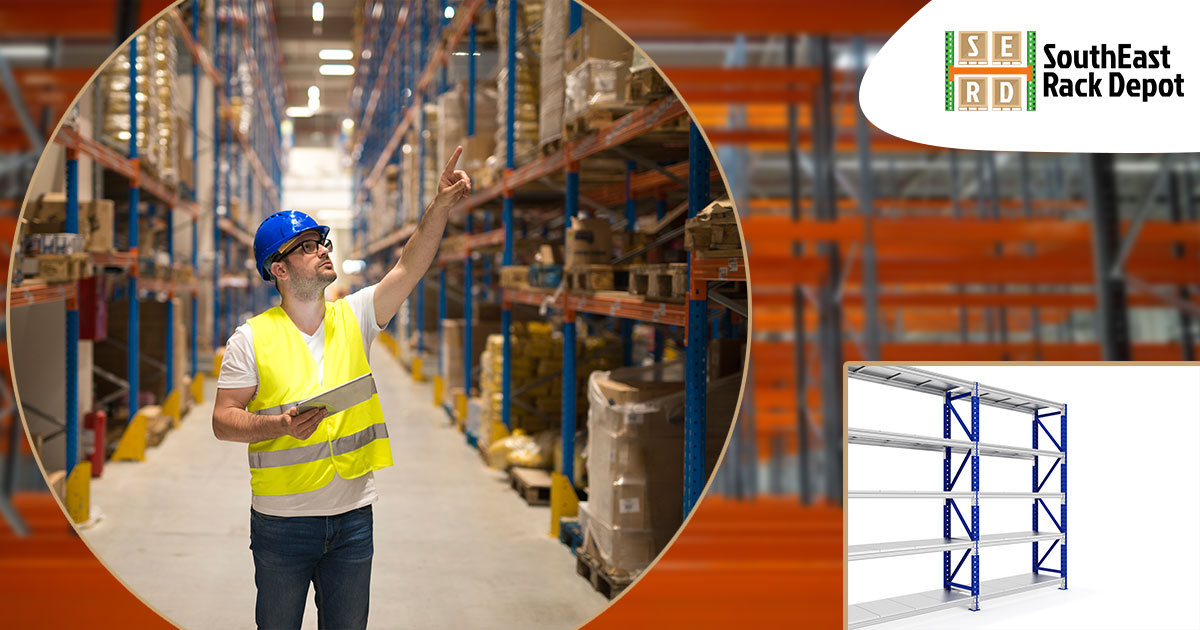
Hiring a SouthEast rack depot for professional warehouse racking installation
If you are thinking about changing your warehouse design or pallet racking, then SouthEast Rack Depot is here to guide you. Hiring SouthEast Rack Depot for professional warehouse racking installation services offers several benefits that can significantly impact the efficiency, safety, and effectiveness of your storage facility. Our expertise and experience ensure that the racking system is installed correctly and safely. We help optimize the racking layout, maximizing storage capacity and efficiency. SouthEast Rack Depot also provides valuable insights into safety measures and compliance with relevant regulations. If you are looking for a racking installation in Dalton, GA , then do contact SouthEast Rack Depot.
