


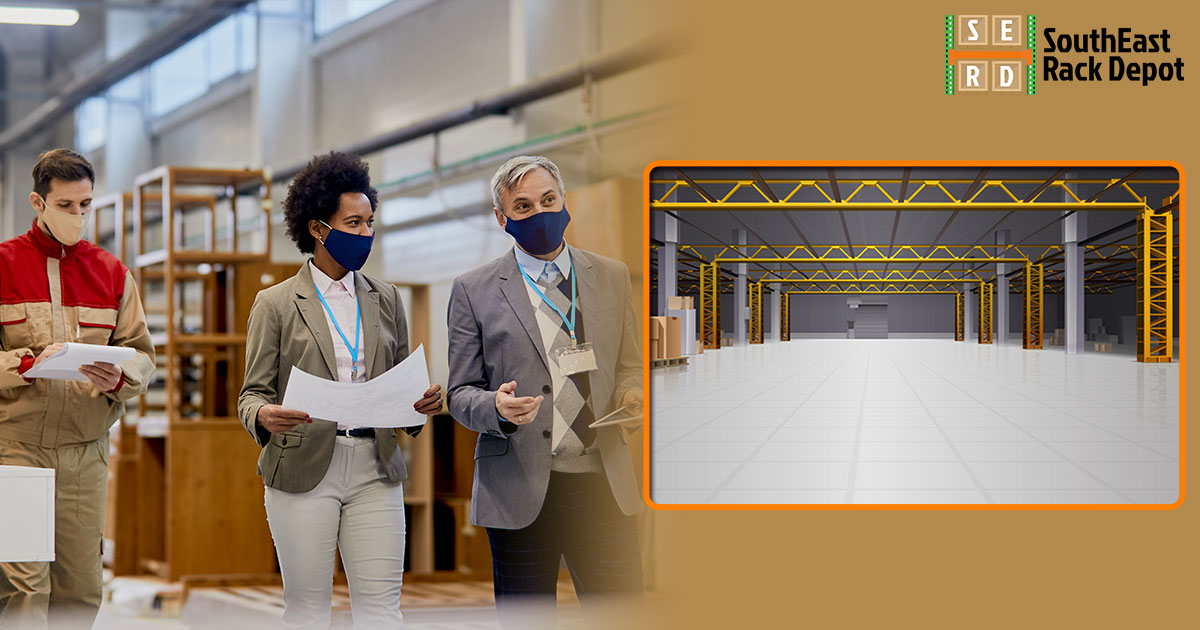
Importance of Professional Warehouse Design Consultation.
Warehouse design is the strategic planning and layout of a warehouse or distribution center to optimize its efficiency, functionality, and overall performance in storing and handling goods. The goal of warehouse design is to maximize space utilization, minimize operational costs, enhance inventory management, and ensure an efficient flow of goods.
Professional warehouse design consultation is a crucial investment for any business seeking to optimize its warehouse operations. By working with experts who understand warehouse layout and safety standards, you can achieve a more efficient, safer, and adaptable warehouse that supports your business growth and success. Remember that the key to a successful consultation process lies in thorough assessment, meticulous planning, and continuous monitoring and improvement. Here are some benefits of professional warehouse design consultation :
- Maximizing Space Utilization: One of the primary goals of warehouse design is to maximize the utilization of available space. A professional consultant can assess your facility and design a layout that optimizes storage capacity, minimizes wasted space, and allows for efficient movement of goods.
- Enhancing Operational Efficiency: Efficient warehouse design improves the flow of goods from receiving to shipping. This can reduce travel times, increase order picking speed, and decrease labor costs. A professional consultant can help streamline processes and minimize bottlenecks.
- Improving Safety: Warehouse safety is paramount. Professional consultants are well-versed in industry regulations and best practices. They can design layouts that prioritize safety by ensuring clear paths, proper lighting, and compliance with safety standards. This not only protects your employees but also reduces the risk of accidents and associated costs.
- Adapting to Changing Needs: Businesses evolve over time, and so do their warehousing requirements. A professional consultant can design a flexible layout that can be easily adapted to changing needs, such as an increase in product variety or order volume.
- Cost reduction: A well-designed warehouse can reduce operating costs significantly. By optimizing space, improving workflow, and enhancing inventory management, businesses can save on labor, maintenance expenses, and energy.

Steps to a Successful Warehouse Design Consultation
The warehouse design consultation process involves a series of steps that aim to create an efficient and optimized warehouse layout and operational plan. It requires careful planning, analysis, and ongoing monitoring to ensure success. Here are some steps to a successful warehouse design consultation:
- Needs Assessment: The first step in the consultation process is a comprehensive needs assessment. This involves understanding your business goals, storage requirements, inventory characteristics, and workflow. The consultant will also take into account any specific challenges your warehouse may face.
- Site Evaluation: A thorough evaluation of your existing warehouse space is essential. The consultant will measure the facility, assess its condition, and identify any structural limitations or opportunities for improvement.
- Design Concept Development: Based on the needs assessment and site evaluation, the consultant will develop a preliminary warehouse layout design. This design will aim to optimize space utilization, workflow efficiency, and safety standards.
- Cost Estimation: A detailed cost estimate will be provided, including projected expenses for materials, equipment, and labor. This allows you to budget accurately for the proposed changes.
- Review and Approval: The initial design concept and cost estimate will be presented to you for review and approval. You will have the opportunity to provide feedback and make any necessary adjustments.
- Implementation Planning: Once the design is approved, the consultant will create a detailed implementation plan. This plan will outline the timeline, resources required, and specific tasks needed to transform the design concept into reality.
- Execution and Monitoring: The implementation plan will be put into action, with the consultant overseeing the process to ensure that the design is executed as planned. Regular monitoring will help identify and address any issues promptly.
- Training and documentation: As the new warehouse design is implemented, employees will need training to adapt to the changes. Additionally, documentation of the new layout and safety procedures will be provided for reference.
- Post-Implementation Evaluation: After the design is implemented, a post-implementation evaluation will be conducted to ensure that the goals of improved efficiency and safety are met. Any necessary adjustments will be made.
