


Warehouse layout design with Examples and advice.
Designing an effective warehouse layout is key to maximizing space utilization, minimizing operational costs, streamlining processes, and improving efficiency. Warehouse layout design is the process of strategically planning and organizing the physical arrangement of a warehouse or distribution center to optimize its operational efficiency, space utilization, and overall functionality. The goal is to create a well-structured environment that facilitates the smooth flow of goods and materials through the various stages of storage, processing, and distribution. Here are some examples and advice for warehouse layout design:
Example of Warehouse Layout Design
Here are some examples of the types of warehouse layout designs:
- Straight-Line Layout: This layout involves arranging storage, picking, and packing areas in a straight line. It’s ideal for businesses with a limited number of products and a straightforward workflow. It also simplified material flow, made supervision easy, and caused minimal congestion. This is best for small-scale warehouses with a few product types.
- U-shaped layout: in a U-shaped layout, storage racks and workstations form a U shape, allowing for efficient movement and supervision. It enhanced visibility, reduced travel time, and improved overall efficiency. Warehouses with moderate product variety and a need for efficient space utilization
- Cross-Docking Layout: It prioritizes the swift transfer of goods from receiving to shipping without long-term storage. Cross-docking layout helps reduce storage costs, speed order fulfillment, and lower handling requirements. It is the distribution centers and businesses that focus on fast order turnaround.
- Zone Picking Layout: Large warehouses often employ zone picking, dividing the facility into zones and assigning specific pickers to each zone. It reduced picker travel time, streamlined order picking, and improved accuracy. It is used for high-volume warehouses with diverse inventories.
- Random Storage Layout: Products are stored wherever there is available space, and location data is managed electronically. It has flexible storage, easy adaptation to changing inventory, and efficient space utilization. Warehouses with frequently changing stock and inventory management software used random storage layouts.
Warehouse Layout Design Software
Utilizing specialized software can streamline the warehouse layout design process. Here are some popular warehouse layout design software options:
- AutoCAD: AutoCAD offers comprehensive tools for creating 2D and 3D warehouse layouts, allowing for precise planning and visualization.
- Warehouse Management Systems (WMS): Many WMS software packages include layout design features, enabling you to optimize storage locations and pick paths.
- Simulation Software: Tools like FlexSim and Simio can simulate warehouse operations to assess the efficiency of various layouts before implementation.
- Space Planning Software: Applications like Space Designer 3D and SketchUp help visualize the warehouse layout in a 3D environment, aiding in space optimization.
Warehouse Layout Design Advice
Here are some warehouse layout design ideas:
- Optimize for Ergonomics and Safety: Prioritize the safety and comfort of your warehouse staff by designing workstations and material flows that reduce the risk of accidents and minimize physical strain.
- Maximize Vertical Space: Utilize vertical storage options like tall racks and mezzanines to make the most of your warehouse’s height while maintaining accessibility.
- Implement Lean Principles: Apply lean principles such as 5S (sort, set in order, shine, standardize, and sustain) to minimize waste, improve efficiency, and foster continuous improvement.
- Consider Future Growth: Design your layout with scalability in mind, so you can easily adapt to changes in inventory volume or product lines.
- Invest in Warehouse Management Software: Implement Warehouse Management System (WMS) software to optimize inventory placement, track goods efficiently, and improve overall warehouse operations.
- Regularly Review and Adjust: Continuously monitor your warehouse’s performance and be prepared to adjust the layout as your business evolves or new opportunities arise.
Choosing the Right Material Handling Equipment
Selecting the right material for handling equipment is crucial for an efficient warehouse. Here are key considerations:
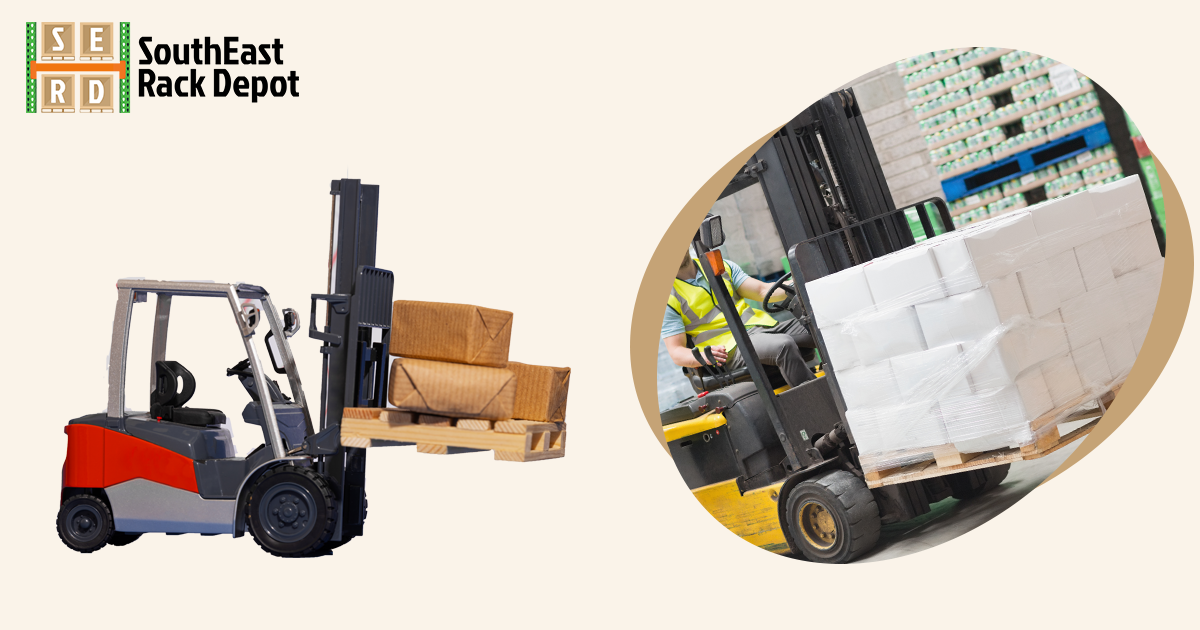
- Forklifts: They are versatile machines designed to lift, carry, and move heavy loads within the warehouse. They come in various types, including counterbalance forklifts, reach trucks, and pallet jacks.
- Conveyor Systems: A conveyor system consists of a network of belts, rollers, or chains that transport goods from one point to another. Install conveyor belts for high-volume, continuous material handling. It also enables the efficient flow of goods in production lines or distribution centers.
- Pallet Racks: Pallet racks are storage systems designed to store palletized goods. It is suitable for your inventory and storage requirements, such as selective racks, drive-in racks, or push-back racks.
- Automated Guided Vehicles (AGVs): They are fully automated warehouses. AGVs can efficiently move goods between locations without human intervention. It reduces labor costs and the risk of accidents.
- Carts and trolleys: Manual handling equipment like carts and trolleys are simple, versatile tools for moving smaller loads. It requires minimal maintenance and training. They are highly flexible for various materials and environments.
